
🌿View Mattresses


Do Cooling Bed Sheets Really Last? A Durability Guide to Softicool & Modal Bedding in Singapore
Cooling bed sheets sound appealing, especially when you sleep in Singapore’s heat. But there is another question worth asking before you buy: will they still feel comfortable after months of regular washing?
In a warm, humid climate, bed sheets tend to see plenty of use. You may wash them more often, dry them frequently, and rely on the same few sets throughout the year. That makes durability just as important as the initial cooling sensation.
So, what actually determines whether cooling bedding will last?
The answer lies in more than the word “cooling” on the label. Fibre composition, fabric construction, moisture management, and how you care for the sheets all affect how they perform over time. Here, we look at what makes a cooling fabric durable, then compare two Epitex options, Softicool and Signature Modal, for their cooling qualities, everyday wear, and care requirements.
Why Durability Matters as Much as Cooling Performance
A cooling sheet may feel great when it is new, but repeated washing can affect its texture, shape and performance over time.
This matters in Singapore, where bedding often needs frequent washing. Durability is therefore just as important as cooling comfort. A well-made sheet that stays smooth, breathable and comfortable through regular use offers better long-term value.
Good care also helps preserve the fabric's original feel, so cooling performance lasts beyond those first few washes.
What Actually Makes a Cooling Fabric Durable?
Fibre Strength & Origin
The type of fibre affects how a fabric handles regular washing, friction and everyday use.
- Cellulosic fibres: Natural or semi-synthetic fibres such as cotton, Modal and Lyocell can offer softness and breathability, with durability depending on the specific fibre and construction.
- Synthetic blends: Synthetic fibres can add strength, stretch or performance properties, depending on how they are used.
- What to look for: Fibre composition should be considered alongside the fabric's construction rather than on its own.
Weave Density & Thread Construction
How fibres are woven or knitted together affects how the fabric handles friction over time.
- Tighter weaves: A denser construction can reduce movement between fibres and help minimise friction wear.
- Looser constructions: These may feel lighter and more breathable but can require more careful handling.
- What to look for: Consider the balance between breathability, comfort and durability rather than focusing on thread count alone.
Shrinkage & Shape Retention
Repeated washing can gradually affect a sheet's size, fit and overall shape, especially when exposed to high temperatures.
- Hot water and heat: Frequent exposure can increase stress on fibres and contribute to shrinkage.
- Repeated washing: Look for fabrics designed to retain their shape through regular laundering.
- What to do: Follow the recommended washing temperature and drying method to minimise unnecessary wear.
Pilling Resistance
Pilling occurs when surface fibres break down and become tangled, creating small balls that can make a sheet feel rougher over time.
- Common causes: Friction from sleeping, washing and drying.
- Why it matters: Surface fibre breakdown can affect both softness and the smooth feel associated with cooling bedding.
- What to look for: A fabric with good resistance to surface wear should maintain its texture for longer with proper care.
Colourfastness
Frequent washing and Singapore's strong sunlight can gradually cause colours to fade.
- Washing: Repeated exposure to detergent and heat can affect colour over time.
- Sunlight: Direct sunlight can accelerate fading, particularly with darker or more vibrant shades.
- What to do: Follow the recommended wash settings and avoid prolonged direct sunlight when drying your sheets.
Softicool: Cooling Performance & Long-Term Wear
Softicool is made for sleepers who want a noticeable cooling feel. Its Cooling Knit / Richcel / Sorona® Knit construction is lightweight, breathable and designed to manage moisture and heat while allowing airflow.
The knitted fabric also gives the sheets a smooth, flexible feel, making them well suited to hot sleepers in Singapore. For care, Epitex recommends a cold, delicate wash and avoiding bleach, soaking, ironing, tumble drying and dry cleaning. Proper care helps preserve the fabric's feel and performance over time.
Signature Modal: Cooling Performance & Long-Term Wear
Modal offers a softer approach to staying comfortable in warm weather. As a cellulose-based fibre, it is naturally soft, breathable and effective at managing moisture.
Epitex's Signature Collection uses Micro Modal for a smooth, lightweight feel that stays comfortable against the skin. Rather than a pronounced cool-touch sensation, Modal focuses on breathability and moisture management, making it a good choice for sleepers who value softness as much as staying cool. With proper care, it can remain a comfortable everyday option for the long term.
You can explore the Signature Modal collection if you want to compare the available styles and bedding sets.
Softicool vs. Modal: Side-by-Side Comparison
The two fabrics approach cooling differently. Softicool focuses more directly on a cool-touch sensation and lightweight knitted construction, while Signature Modal focuses on softness, breathability and moisture management.
|
Factor |
Softicool |
Signature Modal |
|
Cooling sensation |
Strong cool-touch feel designed for immediate cooling comfort |
Cool, breathable and moisture-managing rather than strongly cold to the touch |
|
Breathability |
Knitted construction designed to promote airflow |
Naturally breathable and moisture-absorbing |
|
Lifespan |
No fixed lifespan published; proper care helps preserve the fabric |
No fixed lifespan published; proper care and regular rotation can help maintain performance |
|
Pilling resistance |
No specific product test result published |
No specific product test result published |
|
Shrinkage after washing |
No specific shrinkage rate published; cold, delicate washing is recommended |
Follow the product care label; no specific shrinkage rate is published |
|
Best for |
Hot sleepers who prioritise an immediate cooling sensation |
Sleepers who prioritise softness, breathability and moisture management |
The important point is that a single number should judge neither. There is no meaningful “five-year cooling guarantee” to apply to every bedsheet. How long a set remains comfortable depends on its construction, how often you wash it, how you dry it and how heavily you use it.
Care Tips to Extend the Life of Your Cooling Bed Sheets
Even a well-made bedsheet needs proper care. Your laundry routine can have a noticeable effect on how long the fabric stays comfortable.
- Wash with cooler water. Use a cold, gentle cycle where recommended.
- Skip fabric conditioner. It can affect the fabric's natural feel and breathability.
- Avoid bleach and soaking. These can weaken fibres over time.
- Dry gently. Air-dry in the shade or follow the care label for low-heat drying.
- Rotate your sheets. Alternate between sets to reduce wear from frequent washing.
- Store them dry. Make sure sheets are completely dry before storing, especially in Singapore's humid climate.
- Follow the care label. Different fabrics need different care.
- Which One Should You Choose?
Choose Softicool if your biggest concern is heat. Its cooling knit construction, lightweight feel and strong cool-touch sensation make it a natural choice for hot sleepers who want a more immediate cooling experience.
Choose Signature Modal if softness matters just as much as temperature. Its Micro Modal construction offers a smooth, breathable feel with moisture management, making it a good option for everyday comfort.
Neither choice needs to come down to a race for the longest possible lifespan. A better question is whether the fabric suits your sleeping habits and whether you are willing to care for it properly.
After all, the most durable bedsheet is one you enjoy using, washing and rotating regularly.
FAQ
How long do cooling bed sheets typically last?
There is no universal lifespan for cooling bed sheets. It depends on the fibre, construction, frequency of washing, drying method and general use. Epitex does not publish a fixed number of years or wash cycles for Softicool or Signature Modal, so it is better to assess the condition of your sheets rather than rely on an arbitrary replacement date.
Do cooling bed sheets lose their cooling effect over time?
They can feel different as the fabric ages, particularly if repeated washing, heat or friction affects the surface. However, the extent varies between fabrics and care routines. Following the manufacturer's washing and drying instructions can help preserve the original feel for longer.
Is Modal or Softicool better for humid climates?
Both can work well in Singapore, but they offer different experiences. Softicool is designed around a more immediate cooling sensation, with a breathable knitted construction and moisture-wicking properties. Modal focuses on softness, breathability and moisture management.
How often should I replace my cooling bed sheets?
There is no fixed replacement schedule. Replace a set when it becomes noticeably worn, develops persistent thinning or pilling, loses its shape, or no longer feels comfortable despite proper care. Rotating between multiple sets can also reduce wear on any single set.
Does washing frequency affect how "cooling" a fabric feels?
It can. Frequent washing exposes fabric to friction, detergent and mechanical stress, while high heat can add further strain. That does not mean you should wash bedding less often for the sake of preserving its cooling properties. Instead, use an appropriate wash cycle and follow the care instructions for the fabric.
Valentine's Day Gift Guide
-


Epitex Exceed Down Hotel Collection Pillow
Original price $99.90 - Original price $139.90Original price $99.90 - Original price $139.90Original price $99.90$49.90 - $69.90$49.90 - $69.90Current price $49.90In stockDESCRIPTION Experience the luxury of a 5-star hotel at home! Our Exceed Down Hotel Collection is perfect for good air retaining abilities and hea...
View full detailsOriginal price $99.90 - Original price $139.90Original price $99.90 - Original price $139.90Original price $99.90$49.90 - $69.90$49.90 - $69.90Current price $49.90 -
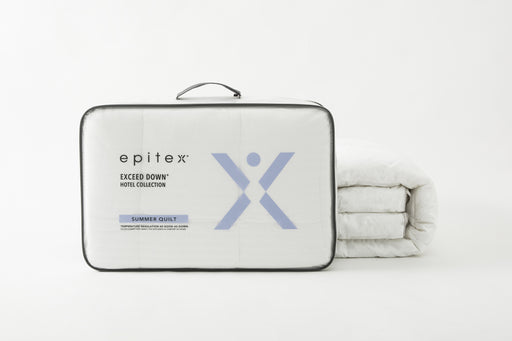
Epitex Exceed Down Hotel Collection Summer Quilt
Original price $199.90 - Original price $359.00Original price $199.90 - Original price $359.00Original price $199.90$129.00 - $179.00$129.00 - $179.00Current price $129.00Low stockExperience the luxury of a 5-star hotel at home! Our Exceed Down Hotel Collection is perfect for good air retaining abilities and heat preservati...
View full detailsOriginal price $199.90 - Original price $359.00Original price $199.90 - Original price $359.00Original price $199.90$129.00 - $179.00$129.00 - $179.00Current price $129.00 -
Cooling Waterproof Mattress Protector in Singapore
Original price $59.90 - Original price $59.90Original price $59.90$59.90 - $69.90$59.90 - $69.90Current price $59.90In stockWaterproof protection fitted mattress protector with the capability to repel fluids while maintaining coolness and air breathability. With an impro...
View full detailsOriginal price $59.90 - Original price $59.90Original price $59.90$59.90 - $69.90$59.90 - $69.90Current price $59.90 -
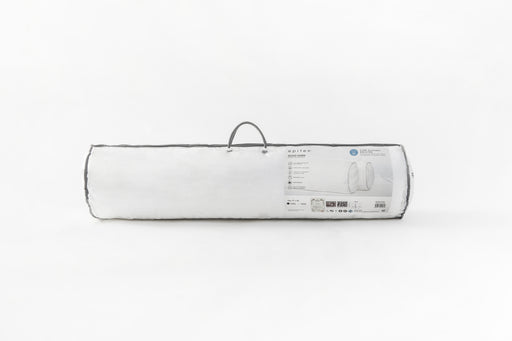
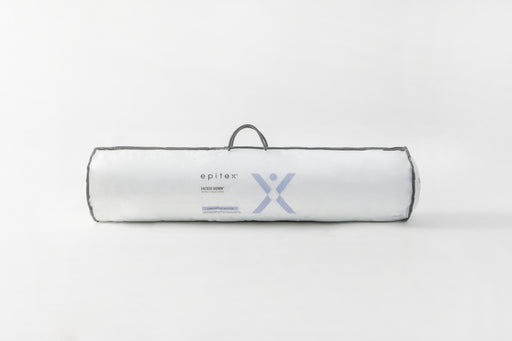
Epitex Exceed Down Hotel Collection Bolster
Original price $119.90 - Original price $139.90Original price $119.90 - Original price $139.90Original price $119.90$59.90 - $69.90$59.90 - $69.90Current price $59.90In stockExperience the luxury of a 5-star hotel at home! Our Exceed Down Hotel Collection is perfect for good air retaining abilities and heat preservation...
View full detailsOriginal price $119.90 - Original price $139.90Original price $119.90 - Original price $139.90Original price $119.90$59.90 - $69.90$59.90 - $69.90Current price $59.90 -
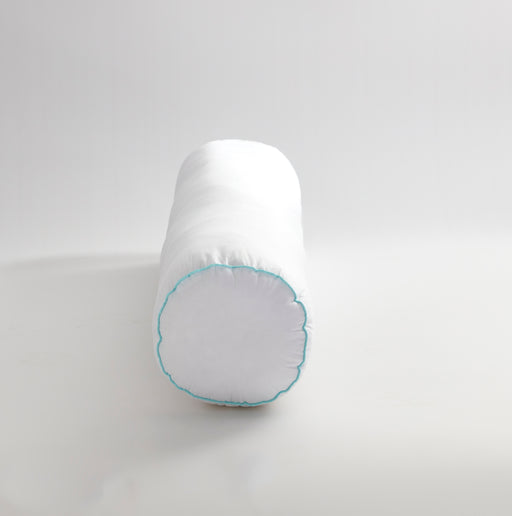
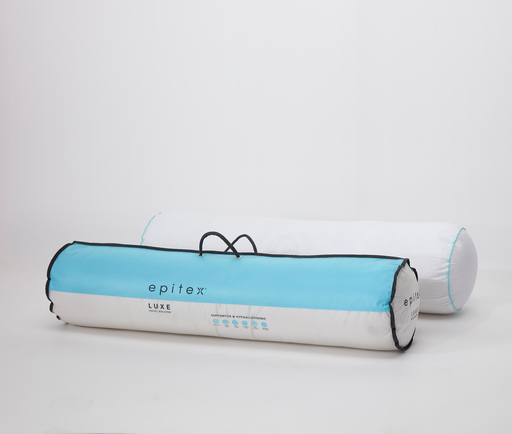
Epinova Premium Luxe Hotel Bolster
Original price $69.90Original price $69.90 - Original price $69.90Original price $69.90Current price $32.90$32.90 - $32.90Current price $32.90In stockDESCRIPTION Experience the luxury of sleeping in a hotel bed at home with our Luxe Hotel bedding collection. These bedding are durable, supportiv...
View full detailsOriginal price $69.90Original price $69.90 - Original price $69.90Original price $69.90Current price $32.90$32.90 - $32.90Current price $32.90


